Autism is a complex neurodevelopmental condition characterized by differences in social communication and interaction, along with restricted and repetitive patterns of behavior, interests, or activities. This blog draws on recent, reputable evidence to explain what autism is, how common it is in India, signs to watch for, causes and risk factors, how it’s diagnosed, related conditions, when to seek help, and the impact of early intervention, education, and daily life on autistic individuals. The goal is to provide clear, practical, and compassionate information for families, educators, and communities. Autism, or autism spectrum disorder (ASD), reflects a wide range of neurodevelopmental differences that affect social communication, sensory processing, and behavior. The spectrum nature means there is substantial variation in how it presents and how supports are needed across individuals. Core features typically emerge in early childhood and persist across the lifespan, though with changing expression as language skills, environments, and supports develop.
Estimating autism prevalence in India is tricky because large, standardized studies are limited. But data suggests:
Autistic children may make limited or inconsistent eye contact during interactions. This reflects differences in how social attention is processed rather than a lack of interest in people. Some children may focus better when not maintaining eye contact. These differences can appear early in infancy or toddlerhood.
Some children may smile less in response to others or show limited interest in sharing enjoyment, such as pointing to show objects. Joint attention, which involves sharing focus with another person, may be reduced. This can affect early social engagement and communication. Parents may notice fewer attempts to seek interaction.
Language development may be delayed, limited, or different compared to peers. Some children may use few words, while others may repeat phrases without functional use. Difficulties may also occur in understanding language, not just speaking. Language differences vary widely across the autism spectrum.
Gestures such as pointing, waving, or nodding may be delayed or absent. These nonverbal skills are important for early communication and social interaction. A child may instead use hand-leading or other behaviors to communicate needs. Such differences can affect how children express themselves before speech develops.
Repetitive movements or behaviors are common in autistic children. These actions may help with self-regulation, sensory processing, or emotional comfort. Repetitive behaviors are not harmful on their own and often serve a purpose for the child. Their frequency may increase during stress or excitement.
Many autistic children prefer predictable routines and familiar environments. Changes in schedule or surroundings may cause anxiety or emotional distress. Routines help children feel safe and organized. Supporting transitions gradually can reduce stress.
Children may be overly sensitive or under-responsive to sensory input such as sound, light, touch, or textures. Everyday experiences may feel overwhelming or, at times, barely noticeable. Sensory differences can influence behavior, attention, and emotional regulation. These responses vary from child to child.
Some children may struggle to recognize facial expressions, body language, or tone of voice. This can make social interactions confusing or challenging. Misunderstanding social cues may affect peer relationships. With support, these skills can be learned and strengthened.
Autism is strongly influenced by genetic factors that affect early brain development. Multiple genes are involved, rather than a single cause. These genetic differences can impact communication, behavior, and sensory processing. Genetics help explain why autism often runs in families.
Children with a sibling or close relative with autism have a higher likelihood of being autistic. This reflects shared genetic factors within families. However, not all children with a family history will develop autism. Environmental influences may also play a role.
Children born prematurely may face higher risks for developmental differences, including autism. Early birth can affect brain development during critical growth periods. Medical complications associated with prematurity may also contribute. Ongoing developmental monitoring is important for these children.
Low birth weight is linked to increased vulnerability in neurodevelopment. It may interact with genetic and environmental factors that influence development. Children with low birth weight benefit from early developmental screening. Early support can improve outcomes.
Advanced maternal or paternal age has been associated with a slightly increased autism risk. This may be related to genetic variations or biological changes over time. The increase in risk is small but notable in population studies. Most children of older parents develop typically.
Exposure to infections, high levels of stress, or environmental pollutants during pregnancy may influence fetal brain development. These factors do not directly cause autism but may increase risk when combined with genetic susceptibility. Prenatal care and health monitoring are important protective factors. Research in this area is ongoing.
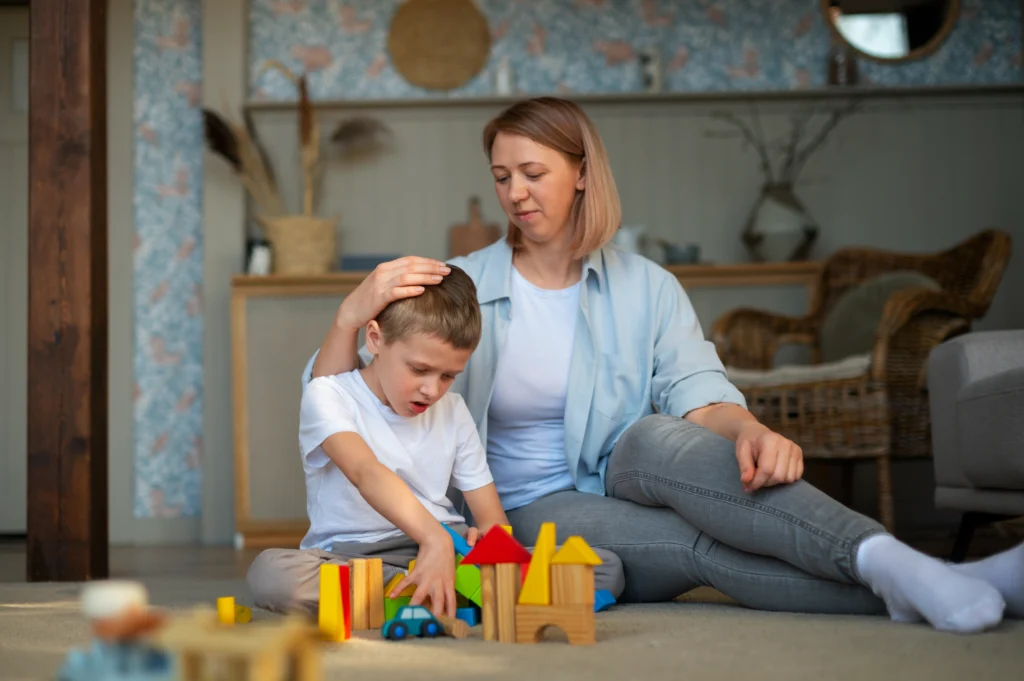
Diagnosis typically involves a comprehensive developmental evaluation by a trained professional team, including developmental pediatricians, psychologists, speech-language pathologists, and occupational therapists. Screening tools guide specialists toward a full assessment, which examines communication, social interaction, behavior, and sensory processing, among other domains. Diagnostic criteria have evolved with updates in international guidelines, and India has been working toward integrating universal screening, multidisciplinary assessment, and contextually appropriate interventions to improve early detection and outcomes.

Below are the conditions that are directly associated to autism and seen very often.
Attention-deficit/hyperactivity disorder commonly co-occurs with autism. Children may show difficulties with attention, impulse control, or activity regulation. These challenges can affect learning and behavior across settings. Support strategies often address both conditions together.
Anxiety and mood difficulties are common among autistic individuals, particularly as social demands increase. Sensory sensitivities and communication challenges can contribute to emotional stress. Symptoms may appear differently than in neurotypical children. Early emotional support can improve well-being.
Many autistic children experience sleep difficulties, such as trouble falling asleep or staying asleep. Sleep problems can impact behavior, learning, and family routines. Sensory sensitivities or anxiety may contribute to sleep challenges. Addressing sleep issues often improves daytime functioning.
Autistic individuals have a higher risk of epilepsy compared to the general population. Seizures may begin in early childhood or adolescence. Not all autistic individuals develop seizures, but monitoring is important. Medical management helps reduce associated risks.
Sensory processing challenges frequently overlap with autism. Children may struggle to interpret or respond appropriately to sensory input. These difficulties can affect daily activities, attention, and emotional regulation. Occupational therapy often helps address sensory needs.
Seek evaluation if there are persistent concerns about a child’s social communication, language development, or repetitive behaviors that interfere with daily activities and learning. Early referral to a developmental pediatrician, psychologist, or speech-language pathologist is recommended when red flags appear, especially if milestones are not met or if there are noticeable social or language gaps. Early action is crucial because it opens access to targeted interventions that support communication, social skills, and adaptive functioning, and it helps families connect with services and supports sooner.
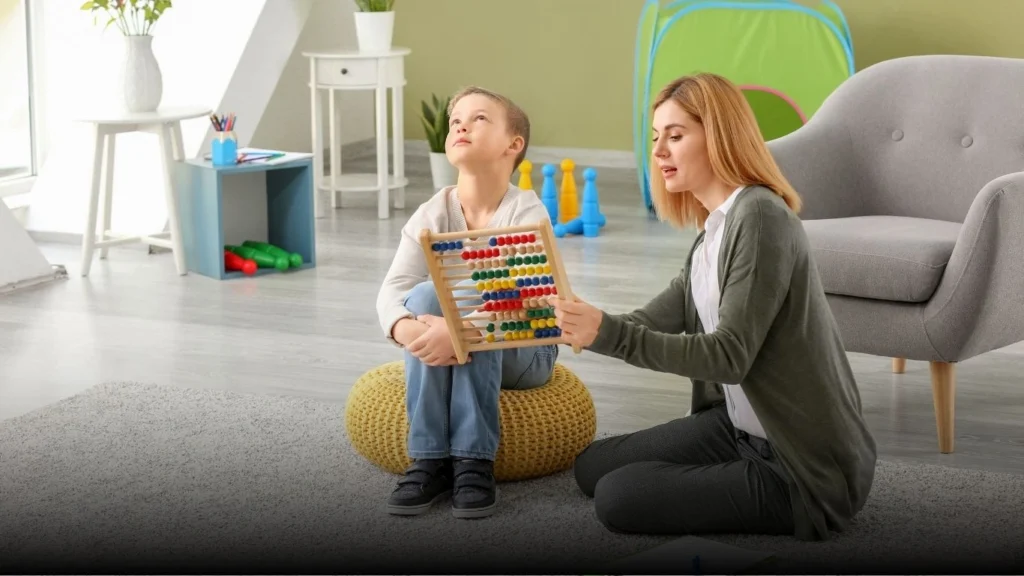
Early intervention helps children develop functional communication, including spoken language, gestures, and alternative communication methods. Therapy introduced early takes advantage of brain plasticity during critical developmental periods. This can improve understanding, expression, and social communication over time. Better communication reduces frustration for both the child and family.
Early support focuses on joint attention, turn-taking, and social engagement. Children learn how to interact with peers, caregivers, and educators in meaningful ways. These early social experiences form the foundation for later relationships. Consistent intervention helps build confidence and social awareness.
Challenging behaviors often arise from communication difficulties, sensory overload, or unmet needs. Early intervention helps identify the underlying causes of these behaviors. Therapies teach coping strategies, emotional regulation, and alternative ways to express needs. This leads to improved behavior and daily functioning.
Early intervention supports the development of daily living skills such as feeding, dressing, and following routines. These skills promote independence and participation at home and school. Structured teaching and repetition help children learn more effectively. Over time, adaptive skills improve quality of life for both the child and family.
Autism is caused by parenting style or vaccines
Autism involves genetic and neurodevelopmental factors; vaccines are not a cause, and parenting style does not determine autism.
Autism means a person cannot lead a happy or successful life.
Many autistic individuals thrive with appropriate supports, inclusive education, and accommodations that align with their strengths.
Autism is rare or only affects boys.
Autism occurs across genders and populations, with increasing recognition of its diverse presentations in many communities.
There is one “cure” for autism.
There is no universal cure, but there are effective interventions and supports that improve functioning and quality of life for many individuals.
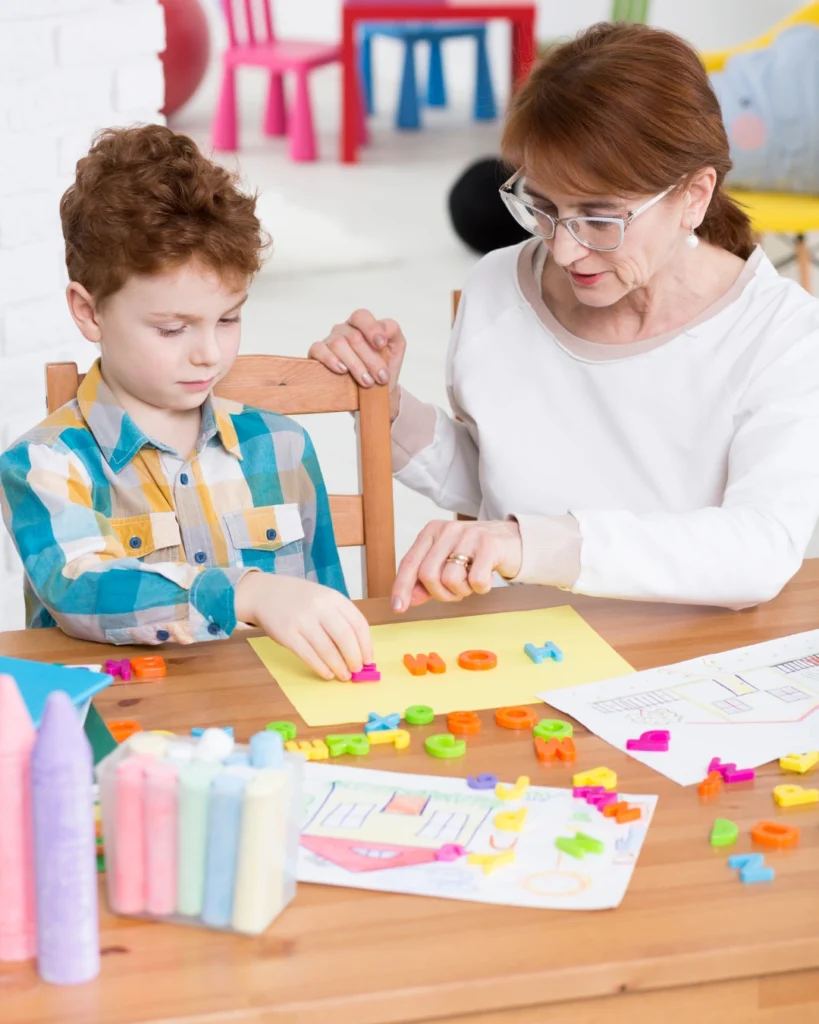
Inclusive education and accessible supports enable autistic students to participate meaningfully in classrooms, develop social skills, and reach academic goals. This requires trained teachers, individualized education plans, reasonable accommodations, and supportive peers.
Everyday life benefits from predictable routines, sensory-friendly environments, clear communication, and collaboration among families, schools, healthcare providers, and community services.
Societal awareness and acceptance reduce stigma and increase opportunities for employment, independent living, and community participation, reflecting a more inclusive approach to diversity in neurodevelopment.
Autism Spectrum Disorder (ASD) is a neurodevelopmental condition involving differences in social communication, sensory processing, and repetitive behaviors or interests. It’s a spectrum because symptoms and support needs vary widely—from those needing substantial daily assistance to individuals who live independently with minimal accommodations. This reflects diverse strengths, like exceptional focus or creativity, alongside challenges.
Prevalence estimates in India range from 1 in 100 to 1 in 500 children, based on regional studies, though underdiagnosis is common due to limited screening and stigma. Global trends (e.g., CDC’s 1 in 36 U.S. children as of 2023 data) show rising identification from better awareness and diagnostics, not a true increase in occurrence. Indian efforts like universal screening pilots aim to close gaps.
Signs often emerge by 12-18 months, such as limited eye contact, not responding to their name, delayed babbling or gestures, repetitive movements (e.g., hand-flapping), or sensory sensitivities. By age 2, challenges in pretend play or social sharing become clearer. Track milestones; early divergence warrants screening.
No, vaccines and parenting styles do not cause autism. It’s primarily genetic (heritability ~80-90%), influenced by hundreds of gene variants, plus prenatal environmental factors like advanced parental age or maternal infections. Brain development differences start in utero, debunking myths through decades of research.
Diagnosis involves a multidisciplinary team (e.g., developmental pediatrician, psychologist, speech therapist) using tools like ADOS-2 observations, parent interviews (ADI-R), and developmental history. DSM-5 criteria focus on persistent social-communication deficits and repetitive behaviors. In India, early screening via ASQ or M-CHAT leads to full assessments; no single test exists.
Up to 70% of autistic children have co-occurring issues like ADHD (50-70%), anxiety (40%), epilepsy (20-30%), sleep disorders, or GI problems. Intellectual disability affects ~30%, but many have average or above-average IQ. Screening and treating these improves outcomes.
Immediately if red flags persist beyond expected milestones—e.g., no single words by 16 months, no pointing/sharing by 14 months, or loss of skills. Don’t wait for “catch-up”; early evaluation (ideally before age 3) unlocks interventions. Contact a pediatrician or child development center promptly.
Evidence-based options include Applied Behavior Analysis (ABA)-inspired therapies, speech therapy, occupational therapy, and parent-mediated models like ESDM (Early Start Denver Model). Starting before age 3 can boost IQ by 15-20 points, improve language, and enhance social skills per meta-analyses. Tailor to the child; combine with family training.
Yes, with inclusion: individualized education plans (IEPs), sensory breaks, visual aids, trained teachers, and peer buddies. India’s RPWD Act 2016 mandates accommodations. Success rates rise with early support—many autistic adults excel in STEM, arts, or advocacy when strengths are nurtured.
Create predictable routines with visual schedules, use clear language and social stories, incorporate sensory-friendly spaces, and celebrate strengths. Join support groups (e.g., Action for Autism India), prioritize self-care to avoid burnout, and advocate for services. Focus on connection over “fixing”—small wins build confidence.