Global developmental delay refers to significant delays across multiple developmental domains in young children, typically under age 5, where a child lags in at least two areas like motor skills, speech, cognition, or social interaction. This condition often signals underlying neurological, genetic, or environmental issues, requiring early multidisciplinary assessment. This blog draws on recent, reputable evidence to explain what global developmental delay is, how common it is in India, signs to watch for, causes and risk factors, how it’s diagnosed, related conditions, when to seek help, and the impact of early intervention, education, and daily life on affected children. The goal is to provide clear, practical, and compassionate information for families, educators, and communities. Global developmental delay reflects broad neurodevelopmental differences affecting milestones across domains. The presentation varies widely, from mild lags to profound needs. Core features emerge in infancy/toddlerhood and improve with targeted supports.
Estimating global developmental delay prevalence in India is tricky because large, standardized studies are limited. But data suggests:

Children may show delayed or inconsistent head control when pulled to sit. This reflects differences in muscle tone rather than lack of effort. Some hold head steady briefly in favored positions. These appear early in infancy.
Infants may smile less in response to others or show limited interest in sharing enjoyment, like pointing to objects. Joint attention may be reduced. This affects early social engagement.
Language development may be delayed, limited, or different compared to peers. Few words or no babbling by 12 months. Difficulties in understanding occur too.
Gestures such as pointing, waving, or nodding may be delayed or absent. Nonverbal skills for communication lag. Children may use hand-leading instead.
Gross motor milestones like sitting unsupported by 9 months or crawling by 12 are missed. Limited reaching or rolling over. Exploration is reduced.
Predictable routines are preferred; changes cause anxiety. Routines provide security. Gradual transitions help.
Overly sensitive or under-responsive to sound, touch, textures. Sensory input overwhelms or goes unnoticed. Affects behavior and regulation.
Struggle with facial expressions, body language, tone. Social interactions confuse. Skills improve with support.
Strongly influenced by genetic factors affecting brain development. Multiple genes involved, not single cause. Impacts cognition, motor, language.
Sibling or relative with delay raises likelihood. Shared genetics. Not all family members affected.
Higher risks from early birth affecting brain growth. Complications contribute. Monitor preterm infants.
Linked to neurodevelopmental vulnerability. Interacts with other factors. Early screening benefits.
Advanced age slightly increases risk. Genetic or biological changes. Small but notable.
Infections, stress, pollutants during pregnancy influence brain. Combined with genetics. Prenatal care protects.
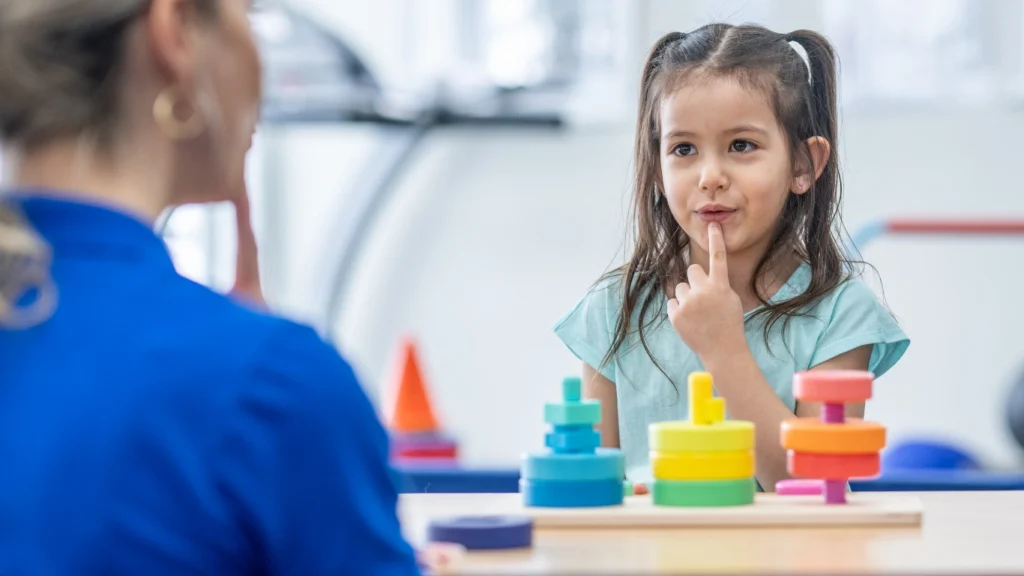
Diagnosis typically involves a comprehensive developmental evaluation by a trained professional team, including developmental pediatricians, psychologists, speech-language pathologists, occupational therapists, and neurologists. Screening tools guide specialists toward a full assessment, which examines milestones across cognitive, motor, language, and social domains. Diagnostic criteria follow international guidelines like DSM-5, with India advancing through RBSK universal screening, multidisciplinary clinics, and targeted genetic/biochemical tests for early detection and outcomes.

Attention-deficit/hyperactivity disorder commonly co-occurs with global developmental delay. Children may show difficulties with attention, impulse control, or activity regulation. These challenges can affect learning and behavior across settings. Support strategies often address both conditions together.
Anxiety and mood difficulties are common among children with delays, particularly as social demands increase. Sensory sensitivities and communication challenges can contribute to emotional stress. Symptoms may appear differently than in typically developing children. Early emotional support can improve well-being.
Many children experience sleep difficulties, such as trouble falling asleep or staying asleep. Sleep problems can impact behavior, learning, and family routines. Sensory sensitivities or anxiety may contribute to sleep challenges. Addressing sleep issues often improves daytime functioning.
Children with delays have a higher risk of epilepsy compared to the general population. Seizures may begin in early childhood or adolescence. Not all children develop seizures, but monitoring is important. Medical management helps reduce associated risks.
Sensory processing challenges frequently overlap with global developmental delay. Children may struggle to interpret or respond appropriately to sensory input. These difficulties can affect daily activities, attention, and emotional regulation. Occupational therapy often helps address sensory needs.
Seek evaluation if there are persistent concerns about a child’s developmental milestones, social communication, or motor skills that interfere with daily activities and learning. Early referral to a developmental pediatrician, psychologist, or speech-language pathologist is recommended when red flags appear, especially if milestones are not met or if there are noticeable gaps across domains. Early action is crucial because it opens access to targeted interventions that support communication, social skills, and adaptive functioning, and it helps families connect with services and supports sooner.
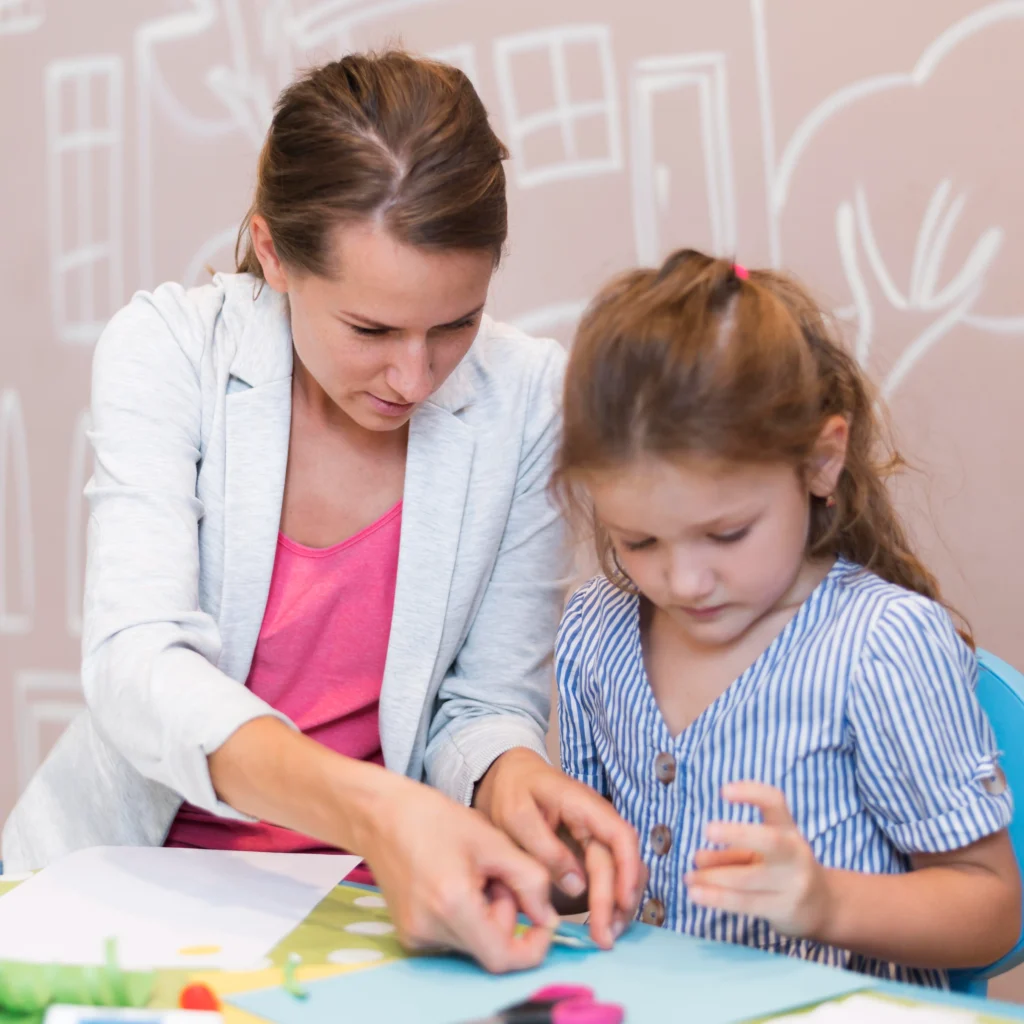
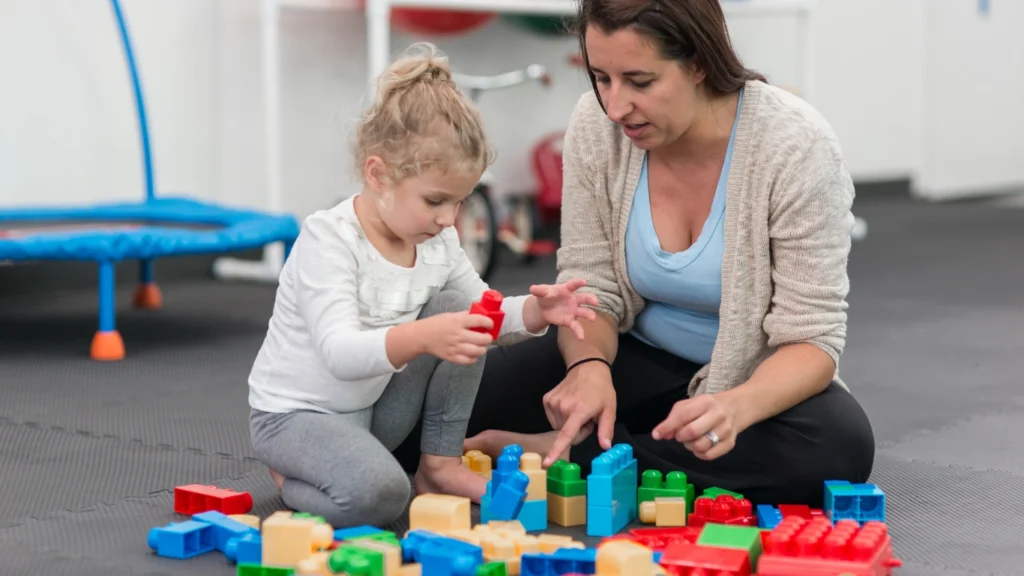
Early intervention helps children develop functional communication, including spoken language, gestures, and alternative methods. Therapy introduced early takes advantage of brain plasticity during critical developmental periods. This can improve understanding, expression, and social communication over time. Better communication reduces frustration for both the child and family.
Early support focuses on joint attention, turn-taking, and social engagement. Children learn how to interact with peers, caregivers, and educators in meaningful ways. These early social experiences form the foundation for later relationships. Consistent intervention helps build confidence and social awareness.
Challenging behaviors often arise from communication difficulties, sensory overload, or unmet needs. Early intervention helps identify the underlying causes of these behaviors. Therapies teach coping strategies, emotional regulation, and alternative ways to express needs. This leads to improved behavior and daily functioning.
Early intervention supports the development of daily living skills such as feeding, dressing, and following routines. These skills promote independence and participation at home and school. Structured teaching and repetition help children learn more effectively. Over time, adaptive skills improve quality of life for both the child and family.
Global developmental delay is just lazy parenting.
Multifactorial from genetics/environment; early care improves outcomes.
Kids outgrow it without help
Early therapy prevents lifelong gaps; delays persist untreated.
Only severe cases matter.
Mild delays benefit from intervention to avoid complications.
Intelligence is always affected.
Many have normal IQ; motor/speech mask abilities.
Inclusive education and accessible supports enable children with global developmental delay to participate meaningfully in classrooms, develop social skills, and reach academic goals. This requires trained teachers, individualized education plans, reasonable accommodations, and supportive peers.
Everyday life benefits from predictable routines, sensory-friendly environments, clear communication, and collaboration among families, schools, healthcare providers, and community services.
Societal awareness and acceptance reduce stigma and increase opportunities for employment, independent living, and community participation, reflecting a more inclusive approach to neurodevelopment.
Seek early screening and a comprehensive evaluation if concerns arise; engage with a multidisciplinary team to craft an individualized plan.
Build routines, use visual supports and clear communication, and tailor expectations to the child’s strengths and needs.
Connect with local organizations, support groups, and educational services to access resources, therapies, and advocacy opportunities.
Prioritize mental health for the whole family; caregiver stress can impact the child’s progress, so seek respite and professional support when needed.

Global developmental delay arises from genetic, prenatal, perinatal, or postnatal factors disrupting brain development across multiple domains. Common contributors include chromosomal abnormalities, prematurity, infections, or metabolic disorders, though many cases remain idiopathic. Prenatal care, genetic testing, and early screening help identify and mitigate risks effectively.
Prenatal ultrasounds or genetic tests may flag high-risk factors like growth restriction, but definitive diagnosis occurs postnatally via milestone assessments. Amniocentesis detects syndromes in at-risk pregnancies. Newborn screenings prompt early referrals for comprehensive evaluation.
Therapies begin immediately after diagnosis, ideally before age 3 when brain plasticity peaks. Multidisciplinary plans include physio, speech, and occupational therapy from infancy. Consistent early support maximizes milestone catch-up potential.
Many children narrow gaps significantly with intensive early intervention; 50-70% show substantial gains depending on cause and severity. Mild cases often resolve fully, while profound delays require lifelong supports. Progress tracking guides adjustments.
No, 40-50% have intellectual disability, but others possess average or above-average IQ masked by motor/speech delays. Formal cognitive testing post-intervention reveals true potential accurately. Strengths-based approaches unlock abilities.
Use play-based activities targeting weak domains, establish predictable routines, and incorporate sensory toys per therapist advice. Daily reading, singing, and tummy time build skills naturally. Parental training enhances intervention impact.
Multidisciplinary packages including speech, occupational, and behavioral therapies yield 70-90% functional improvements per studies. Early Start Denver Model or Floortime excel for engagement. Indian programs adapt globally proven methods effectively.
With support, most achieve independence; comorbidities like ADHD or autism influence trajectories. Regular monitoring prevents secondary issues like poor self-esteem. Adults often succeed in education and employment.
Slightly elevated at 2-5% for siblings if genetic etiology confirmed; counseling assesses patterns. Environmental factors play roles too. Subsequent pregnancies benefit from preconception planning.
Government RBSK screens all children; NGOs like Ummeed Child Development Center offer free/low-cost therapies. Multidisciplinary clinics in major cities provide evaluations. Helplines connect to local resources promptly.