
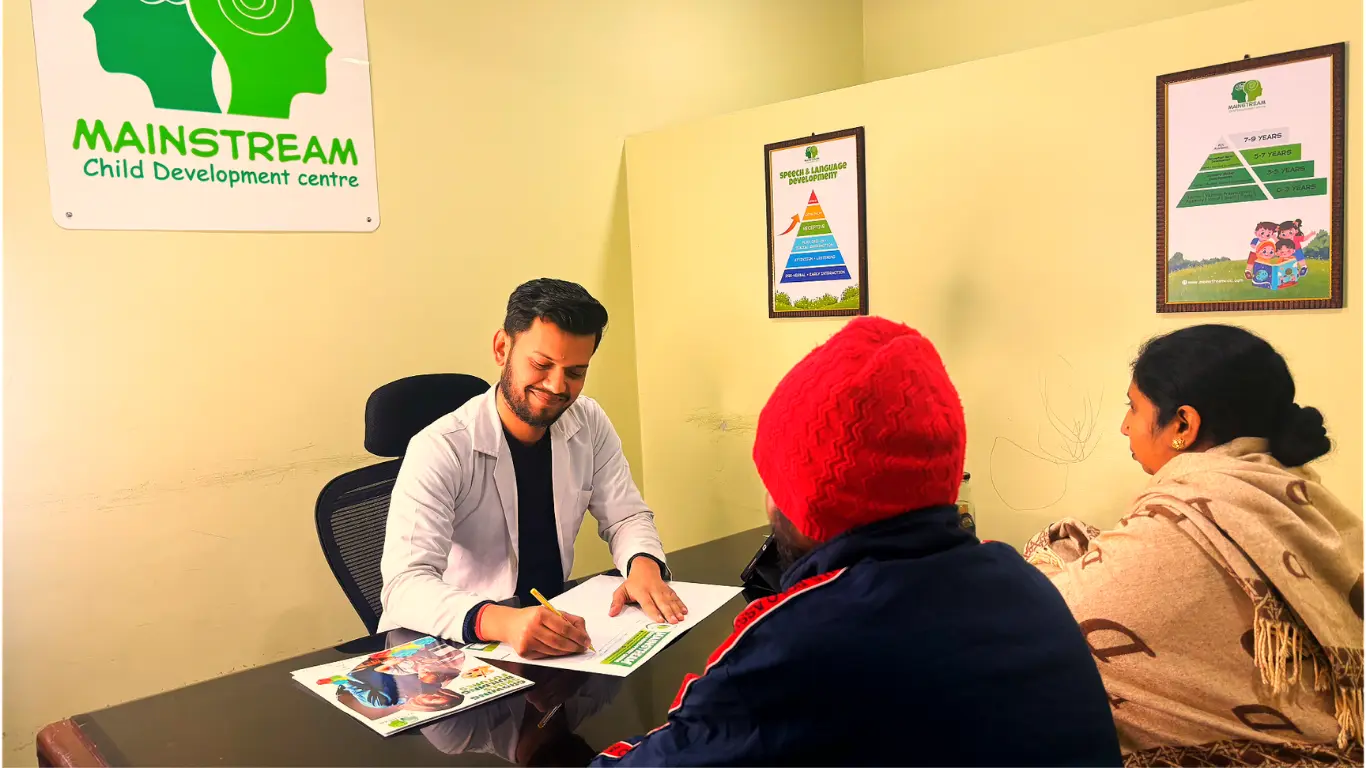
1. What is Occupational Therapy and How Can It Support My Child?
Pediatric occupational therapy is a dedicated healthcare discipline that empowers children to build, strengthen, or recover the abilities they need to engage in everyday activities that matter most to them. Here, the word “occupation” describes the key roles of childhood: playing, learning, interacting with others, and managing self-care. For families in Jalandhar whose children face developmental hurdles, pediatric OT offers a structured, nurturing pathway toward greater self-reliance and confidence in these vital areas.
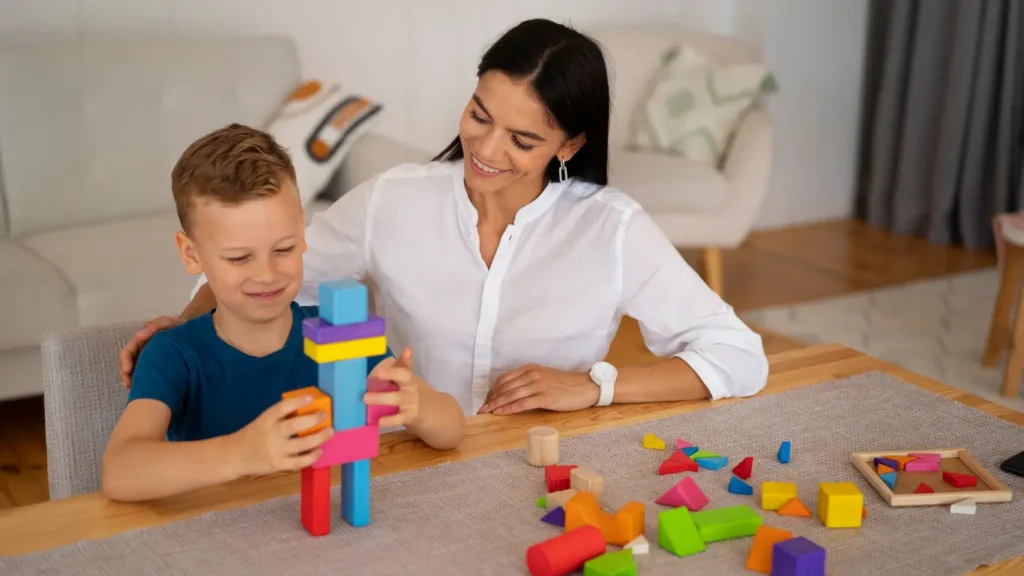
1.1 How Pediatric Occupational Therapy Functions: A Focus on Everyday Performance
The central aim of pediatric OT is to help children take part fully in their own lives. Occupational therapists accomplish this by addressing obstacles linked to physical, sensory, cognitive, or emotional difficulties. They create hands-on strategies, targeted exercises, and environmental adaptations that boost a child’s practical capabilities. This approach is deeply individualized, starting with a thorough evaluation of the child’s motor, sensory, and thinking skills to pinpoint unique strengths and areas of need.
After the assessment, therapists work closely with parents to define clear, measurable objectives and design a tailored intervention plan. The plan typically weaves together focused exercises, sensory‑rich activities, and real‑life tasks, all delivered through playful, engaging methods. The emphasis remains on cultivating the foundational skills of daily living, which occupational therapists group into core “occupations” such as Activities of Daily Living (ADLs) — for instance, dressing and eating — as well as education, play, social engagement, and rest.
1.2 Primary Skill Domains in Pediatric Occupational Therapy
Pediatric OT in Jalandhar concentrates on several interrelated areas of development:
Fine Motor Skills and Hand Control: This area deals with the precise coordination of small hand muscles used for tasks like handwriting, cutting with scissors, fastening buttons, and self‑feeding. Therapists employ activities that enhance pencil grasp, grip strength, and finger dexterity.
Sensory Processing and Integration: Some children find it challenging to interpret sensory input from sight, sound, touch, or movement. OT helps them navigate these sensory demands, leading to improved comfort, attention, and behavioral responses through specialised sensory integration techniques.
Gross Motor Coordination and Motor Planning: This covers larger body movements such as balance, overall coordination, and the ability to plan actions for activities like climbing, jumping, and maneuvering around obstacles. Working on these skills enables smoother participation in physical play and everyday routines.
Cognitive and Executive Functioning: OT fosters the growth of attention, organisation, impulse control, and the ability to follow through on tasks — all essential for school performance and daily structure.
Activities of Daily Living (ADLs): A major priority is guiding children toward independence in self‑care activities, including dressing, grooming, and eating.
Social, Emotional, and Behavioural Regulation: Therapists implement strategies that help children achieve greater emotional stability, better manage their behaviour, and strengthen social abilities, building confidence in both school and home environments.
1.3 Therapeutic Play versus Ordinary Play
Parents often wonder what sets occupational therapy apart from everyday play. Although OT sessions feel enjoyable and child-friendly, they are purposefully designed and quite different from free play.
| Aspect | Therapeutic Play in OT | Ordinary Play |
| Core Purpose | Attain specific, measurable gains in development or daily functioning. | Fun, amusement, and natural social engagement. |
| Activity Structure | Activities are intentionally chosen and ordered by a qualified therapist to address particular skill gaps. | Child-directed, unstructured, and guided by momentary curiosity. |
| Progress Monitoring | Constant, structured observation and evaluation informs ongoing adjustments to the approach. | No systematic tracking of skill development takes place. |
| End Result | Tangible advancement in self-care, learning, or social involvement. | Broad developmental advantages gained through exploration. |
1.4 The Evidence-Informed Approach
Pediatric occupational therapy draws on clinical expertise and practices supported by research. Systematic reviews indicate that occupation-based interventions hold considerable potential for enhancing participation among children with disabilities, though the body of evidence also recognizes constraints like inconsistent study designs and a demand for more rigorous investigations. For children from birth to five years, there is moderate to strong research backing OT interventions aimed at boosting motor skills and daily living activities such as feeding and sleep, especially when these interventions place the family at the centre.
In a broader sense, an extensive systematic review has catalogued a wide range of evidence-supported techniques within pediatric OT—including behavioural, cognitive, and parent-mediated strategies—offering a clear framework for effective treatment. In Jalandhar, trusted clinics highlight that their sessions are conducted by licensed therapists who apply these research-based approaches to promote meaningful outcomes.
1.5 Key Benefits for Your Child
Participation in pediatric occupational therapy can bring about life-changing improvements:
- Greater Independence: Mastering everyday self-care and routine tasks fosters self-sufficiency and inner confidence.
- Enhanced Readiness for School: Strengthened fine motor, sensory, and attention capacities directly bolster academic learning and classroom engagement.
- Stronger Social and Emotional Abilities: Improved self-regulation and interpersonal skills enable children to build healthy, positive connections.
- Targeted Support for Specific Diagnoses: OT delivers tailored strategies for conditions like Autism Spectrum Disorder (ASD), Attention Deficit Hyperactivity Disorder (ADHD), Developmental Coordination Disorder, cerebral palsy, and other challenges.
- Lower Family Stress: As a child grows more independent and emotionally balanced, the demands on caregivers often ease, contributing to a calmer, more harmonious household.
- A Foundation for Lifelong Achievement: By cultivating essential functional abilities early on, OT helps place a child on a trajectory toward richer participation and satisfaction across every sphere of life.
2. Who Can Benefit from Occupational Therapy?
Pediatric occupational therapy in Jalandhar is designed to support children facing a wide spectrum of developmental, sensory, motor, and behavioral challenges. The therapy focuses on enhancing a child’s ability to perform essential daily activities, thereby promoting independence and confidence. The following conditions and indicators, as identified by local clinics, suggest a child may benefit from occupational therapy.
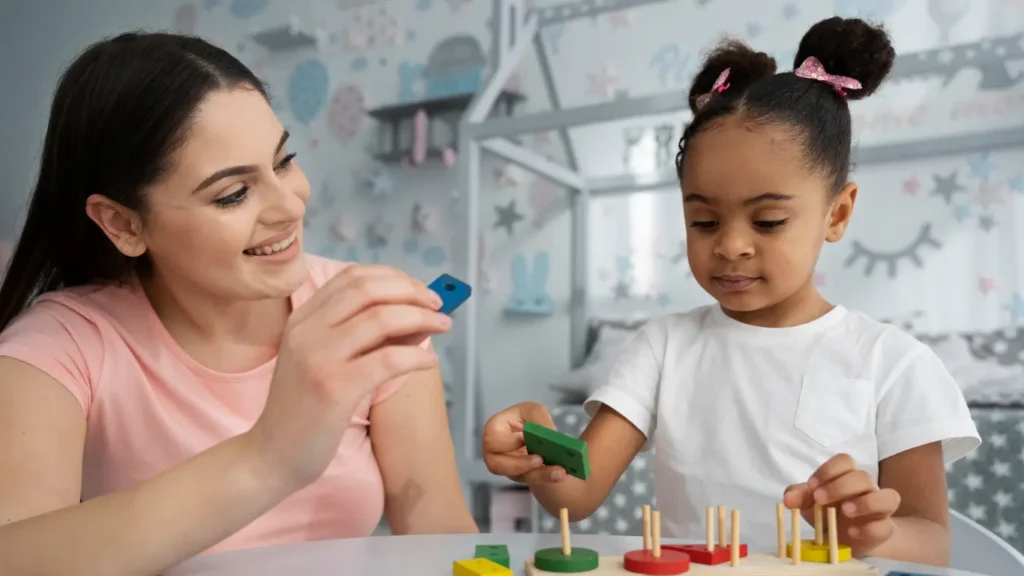
2.1 Neurodevelopmental Conditions
Children with Autism Spectrum Disorder (ASD) often benefit from occupational therapy to address core challenges. Therapy focuses on improving sensory processing, emotional regulation, and daily living skills. Specific indicators include sensory sensitivities (e.g., being overwhelmed by sounds or avoiding certain textures), behavioral meltdowns, and difficulty with transitions.
For children with Attention Deficit Hyperactivity Disorder (ADHD), occupational therapy targets focus, impulse control, and organizational skills. Indicators include being easily distracted, having difficulty sitting still, and exhibiting hyperactive or impulsive behavior.
2.2 Sensory and Motor Skill Difficulties
Sensory Processing Disorders (SPD) are a primary focus. Children may be overly sensitive to environmental stimuli (like sounds or touch) or may constantly seek sensory input through movement or pressure. Occupational therapy uses sensory integration techniques to help children process and respond to sensory information more effectively.
Fine motor skill challenges are common reasons for referral. Indicators include a poor pencil grip, difficulty using scissors, and slow or messy handwriting that affects schoolwork.
Gross motor and coordination issues are also addressed. These may manifest as poor balance, clumsiness, or difficulty participating in physical play and sports, which occupational therapy aims to improve through targeted exercises and activities.
2.3 Developmental and Learning Challenges
Children with developmental delays or delayed milestones in motor, sensory, or cognitive skills can benefit from therapy to foster age- appropriate development and independence.
Learning disabilities that impact academic performance, particularly in areas like handwriting, visual- motor integration, and cognitive organization, are addressed through structured programs.
Developmental Coordination Disorder (DCD) is specifically treated, with therapy focusing on strengthening motor planning, balance, and coordination for daily tasks.
2.4 Daily Living and Behavioral Skills
Struggles with Activities of Daily Living (ADL) are a key indicator. This includes difficulty with self- care tasks such as dressing, eating independently, and organizing personal or school items.
Behavioral and emotional challenges, including frequent meltdowns, frustration, and difficulty regulating emotions, are areas where occupational therapy can provide strategies for better self- regulation.
2.5 Physical and Neurological Conditions
Occupational therapy also supports children with physical conditions such as Cerebral Palsy, focusing on improving fine motor control, muscle coordination, and independence in selfcare. Children with Down Syndrome receive therapy to build muscle tone, coordination, and adaptive skills.
2.6 School-Related Indicators
Challenges in the school environment often signal a need for support. These include:
School- readiness issues: Poor writing posture, difficulty copying from the board, or slow classroom performance.
Attention in class: Inability to maintain focus or sit still during activities.
Social participation: Difficulty interacting with peers during play or group work.
The table below summarizes common indicators across different domains:
| Domain | Specific Indicators |
| Sensory Processing | Overwhelmed by sounds/textures; constant movement or pressure-seeking; poor sensory modulation. |
| Fine Motor Skills | Poor pencil grip; difficulty using scissors; slow or messy handwriting. |
| Gross Motor Skills | Poor balance and coordination; difficulty with walking, running, or play activities. |
| Behavior & Emotions | Meltdowns; frustration; difficulty with transitions; hyperactivity; poor impulse control. |
| Daily Living (ADL) | Difficulty dressing/eating independently; poor organization of belongings. |
| Academic Performance | Poor writing posture; difficulty copying tasks; slow classroom work. |
Recognizing these indicators is the first step toward seeking help. Occupational therapy clinics in Jalandhar provide comprehensive, evidence- based interventions tailored to address these specific challenges, helping children build the skills necessary for greater independence and success at home, in school, and in the community.
3. Our Occupational Therapy Services for Children in Jalandhar
Families in Jalandhar have access to a range of specialized pediatric occupational therapy (OT) services designed to help children develop the skills they need for daily life, learning, and play. Multiple clinics in the city offer comprehensive, evidence-based interventions, with many sharing a core set of services while emphasizing different approaches or specializations.
3.1 Core Occupational Therapy Services Available
Based on information from local clinics, the following key services are commonly offered to address various developmental challenges:
- Aimed at children with sensory processing difficulties, this essential therapy uses structured techniques to help them better interpret and respond to stimuli such as touch, sound, and movement.
- Fine Motor Skill Development: Therapists work on improving the small muscle movements of the hands and fingers. This includes activities to address challenges with tasks like using scissors, manipulating small objects, and developing an effective pencil grip.
- Handwriting Improvement Programs: Several clinics offer targeted programs that combine fine motor training with exercises for posture, grip, and visual-motor coordination to help children produce more legible and efficient handwriting.
- Activities of Daily Living (ADL) Training: A central goal of OT is to foster independence in self-care. Children are guided through practicing essential tasks such as dressing, feeding, grooming, and organizing their belongings.
- School Readiness and Attention Enhancement: Services in this area focus on building the skills necessary for classroom success. This can include strategies to improve sitting tolerance, focus, impulse control, task organization, and overall classroom performance.
- Social and Behavioral Skill Development: Through guided play, role-playing, and group activities, therapists help children learn to navigate social interactions, understand social cues, and develop better emotional and behavioral regulation.
- Specialized Interventions for Autism and ADHD: Many clinics highlight programs tailored for children with Autism Spectrum Disorder (ASD) and Attention Deficit Hyperactivity Disorder (ADHD). For autism, therapy often focuses on sensory integration and behavior regulation. For ADHD, the emphasis is typically on attention training, impulse control, and organizational skills.
3.2 Common Therapeutic Methodologies
The clinics share several foundational approaches to delivering therapy effectively:
- Play-Based and Engaging Sessions: Therapy is frequently delivered through fun, activity-driven techniques. This approach keeps children motivated while they work on developmental goals, making the sessions more enjoyable and effective.
- Comprehensive Assessment and Goal Setting: The OT process typically begins with a detailed evaluation of the child’s motor, sensory, and cognitive abilities. Therapists then collaborate with parents to establish clear, measurable goals for therapy.
- Active Parent and Caregiver Involvement: A consistent theme across clinics is the importance of working closely with families. This includes providing parent coaching, home training strategies, and regular progress reports to ensure skills generalize beyond the clinic setting.
In summary, occupational therapy services for children in Jalandhar are characterized by a strong focus on sensory integration, skill development for daily life and school, and specialized support for conditions like autism and ADHD. The available options allow families to seek care that aligns with their child’s specific needs, whether they prioritize a certain therapeutic approach, require flexible online sessions, or need intensive, day- long programming.
4. What to Look for in a Pediatric Occupational Therapist in Jalandhar
Choosing the right pediatric occupational therapist is a crucial step for your child’s development. In Jalandhar, several clinics offer these services, but their approaches and qualifications vary. To make an informed decision, parents should evaluate therapists based on specific, evidence- backed criteria.

4.1 Essential Qualifications and Certifications
First, verify the therapist’s formal credentials. In India, the foundational qualification is a Bachelor of Occupational Therapy (BOT) degree. After graduation and a mandatory internship, therapists must obtain a license from the Rehabilitation Council of India (RCI) to practice legally.
In Jalandhar, leading centers highlight their therapists’ qualifications. For instance, Mainstream CDC’s program is led by Dr. Ravi Bhardwaj, a BOT graduate who also holds an ADL Certification, Special Child Certification, and an AIOTA Certificate. Look for such specific credentials that indicate specialized training beyond the basic degree.
4.2 Specialization in Pediatric Care
Pediatric occupational therapy requires distinct skills. A therapist experienced with adults may not be the best fit for a child. Seek out professionals or centers that explicitly emphasize pediatric or child- centered care. For example Mainstream CDC focuses its services on helping children develop essential life skills and confidence. This specialization ensures the therapist is familiar with developmental milestones, play- based techniques, and strategies relevant to a child’s daily life at home and school.
4.3 Commitment to Evidence-Based and Family-Centered Practice
Effective therapy is grounded in proven methods and active family collaboration. Research consistently shows that family- centered practices and strong parent- therapist collaboration are key to parent satisfaction and positive outcomes. When evaluating a therapist, inquire about their process:
- Comprehensive Assessment: A detailed initial evaluation is essential. Mainstream CDC begins with an assessment of the child’s motor, sensory, and cognitive abilities to form a baseline.
- Individualized Planning: Therapy should not be one-size-fits-all. Look for a therapist who develops personalized plans with clear, measurable goals set in collaboration with parents.
- Parent Involvement: The best therapists view parents as partners. They provide coaching, home strategies, and regular progress updates. Mainstream CDC emphasizes “collaboration with families.”
- Play-Based Approach: For children, therapy should be engaging. Centers in Jalandhar commonly use fun, activity- based techniques to keep children motivated while working on developmental goals.
4.4 The Clinic Environment and Therapeutic Rapport
The setting where therapy occurs matters. A supportive, child- friendly environment helps a child feel safe and engaged. Mainstream CDC highlights its “calm, safe and professional environment.” Furthermore, the therapist’s ability to build a positive, trusting relationship with your child is paramount. Observe if the therapist’s communication style is warm, patient, and adaptable to your child’s mood and needs.
4.5 Practical Questions to Ask
When meeting a potential therapist in Jalandhar, come prepared with questions:
- Credentials: “Are you RCI licensed? What additional certifications do you hold relevant to children?”
- Experience: “How many years have you worked with children? What is your experience with my child’s specific challenges (e.g., autism, ADHD, handwriting difficulties)?”
- Process: “What does your initial assessment involve? How do you set goals and measure progress?”
- Parent Role: “How will I be involved in sessions and informed about progress? What kind of home activities or strategies will you recommend?”
- “Could you walk me through what a typical therapy session would involve for a child around my child’s age?”
- Environment: “May I see the therapy space?”
By systematically evaluating these areas- – credentials, pediatric specialization, therapeutic approach, family collaboration, and environment- – you can find a qualified occupational therapist in Jalandhar who is well- equipped to support your child’s unique journey toward greater independence and confidence.
5. What to Expect During an OT Session for Your Child at Our Jalandhar Clinic
Understanding the structure of occupational therapy can help parents feel prepared and become effective partners in their child’s development. At our clinic in Jalandhar, we follow a personalized, evidence- based process centered on your child’s needs and your family’s involvement.
5.1 The Initial Assessment: Laying the Foundation
Every therapy journey begins with a comprehensive initial assessment. This is not a test but a collaborative effort to understand your child’s unique profile.
- Detailed Evaluation: Our licensed occupational therapists conduct a thorough evaluation of your child’s motor, sensory, and cognitive abilities. This involves standardized assessments, observation of your child during play and tasks, and a detailed discussion with you.
- Parent as a Key Partner: You provide essential information about your child’s medical history, daily routines, strengths, and the specific challenges you’ve observed. This partnership ensures the assessment captures a complete picture of your child’s life at home and school.
- What to Bring: To help us get started, you may bring any previous medical or diagnostic reports, school observations, and samples of your child’s work (like a notebook if handwriting is a concern).
5.2 Collaborative Goal Setting and Planning
Following the assessment, we move from understanding to planning. Our therapists work directly with you to establish clear, meaningful goals.
- Personalized Goals: Together, we set measurable goals tailored to your child’s needs and your family’s priorities. These goals focus on practical outcomes that will enhance your child’s independence in daily activities.
- Individualized Therapy Plan: Based on the assessment and agreed- upon goals, we create a customized therapy plan. This plan combines targeted exercises, sensory activities, and functional tasks, all specifically designed for your child’s age, needs, and learning style.
5.3 Inside a Typical Therapy Session
Sessions at our clinic are engaging and play- based, designed to build skills through activities children enjoy.
- Sensory Integration Activities: These may include swinging, bouncing, or textured play to help children process and respond to sensory information more effectively.
- Fine Motor Skill Exercises: Activities like puzzles, threading beads, and drawing strengthen hand muscles and improve coordination, which is crucial for tasks like handwriting and using utensils.
- Gross Motor and Coordination Games: Balance beams, climbing structures, and movement games help develop overall body awareness, motor planning, and coordination.
- Strategies for Engagement: Our therapists use evidence- based strategies to foster your child’s participation. This includes supporting their autonomy, building a positive relationship, and creating activities that match their competence level, making therapy both effective and motivating.
5.4 Your Role as a Parent: Involvement and Support
Your involvement is a cornerstone of successful therapy. We actively collaborate with families to extend learning beyond the clinic.
- Parent Coaching and Training: During and after sessions, our therapists provide guidance. We explain the techniques being used and demonstrate strategies you can apply at home to support your child’s routine, sensory needs, and learning environment.
- Home Program Development: We develop practical home programs with activities and strategies for you to implement between sessions. Effective home programs are critical for reinforcing skills and ensuring progress carries over into daily life.
5.5 Tracking Progress and Adapting the Plan
Therapy is a dynamic process. We continuously monitor your child’s development to ensure the plan remains effective.
- Ongoing Monitoring: Progress is regularly reviewed through observation and periodic formal assessments. We track improvements toward the goals set during the initial planning phase.
- Collaborative Adjustments: We maintain open communication with you. Based on your child’s progress and your feedback, we collaboratively adjust therapy strategies and goals as needed.
5.6 Preparing for Success
To help your child get the most out of each session:
- Dress for Movement: Have your child wear comfortable, loose- fitting clothing that allows for easy participation in physical activities.
- Maintain Consistency: Regular attendance and follow- through with home program recommendations are key to achieving lasting results.
By understanding this process, you can confidently support your child’s occupational therapy journey at our Jalandhar clinic, working alongside our team to build a foundation for greater independence and confidence.
6. Frequently Asked Questions about Occupational Therapy for Children in Jalandhar
Parents in Jalandhar considering occupational therapy (OT) for their child often have practical questions about the process, costs, and what to expect. This section addresses the most common inquiries based on information from local clinics.
6.1 Understanding Occupational Therapy Basics
What exactly is occupational therapy for children?
Occupational therapy helps children develop the skills needed for the meaningful activities, or “occupations,” of their daily lives. This includes self- care (like dressing and eating), school- related tasks (such as writing and focusing), play, and social interaction. Therapists use engaging, play- based activities like games, sensory exercises, and creative tasks to build skills in areas like hand strength, coordination, balance, and attention.
How would I know that my child needs occupational therapy or not?
Children may benefit from an OT evaluation if they show consistent difficulties with:
- Fine Motor Skills: A poor pencil grip, trouble using scissors, or slow, messy handwriting.
- Sensory Sensitivities: Becoming easily overwhelmed by sounds, avoiding certain textures or touch, or constantly seeking movement or pressure.
- Behavior and Emotions: Frequent meltdowns, high frustration, or difficulty coping with changes in routine.
- Daily Living Skills: Struggling to dress or eat independently, or to organize school materials.
- Attention and Focus: Being easily distracted, having difficulty sitting still, or displaying hyperactive or impulsive behavior.
- School Performance: Poor writing posture, trouble copying from the board, or generally slow classroom work.
Can you explain the distinction between occupational therapy and physical therapy?
While both are important rehabilitation services, their focus differs. Physical therapy (PT) primarily addresses movement, strength, balance, and pain management to improve how the body moves. Occupational therapy (OT) focuses on helping a person perform the specific daily tasks they need and want to do—such as self- care, schoolwork, or play—often by adapting the task itself, the environment, or recommending helpful tools. A child may work with both an OT and a PT as part of a comprehensive support plan.
6.2 Cost, Insurance, and Practical Logistics
How much does occupational therapy cost in Jalandhar?
Specific session fees are typically determined during a consultation and are not published online. Costs can vary based on the clinic, the therapist’s experience, the complexity of the child’s needs, and whether specialized equipment is required. Most clinics in Jalandhar encourage parents to contact them directly for detailed pricing and many offer an initial consultation or assessment.
Is occupational therapy covered by insurance in India?
Access to occupational therapy services in India, including in Jalandhar, is often constrained by limited insurance coverage. Systemic barriers include underdeveloped integration of these services in school systems and a general lack of structured insurance frameworks for pediatric therapeutic care. This can place a significant financial burden on families seeking ongoing therapy for their children.
What age groups do occupational therapists in Jalandhar work with?
Pediatric occupational therapy services in the city cater to children across developmental stages, including toddlers, preschoolers, school- age children, and teenagers.
How long and how frequent are therapy sessions?
Session structure is highly individualized. Session duration is usually customized based on the child’s unique requirements, developmental stage, and ability to focus. Similarly, the recommended frequency—often starting at 1 to 3 sessions per week—is based on the initial assessment findings and treatment goals, and is adjusted as the child progresses.
6.3 Conditions Treated and Measuring Progress
Can occupational therapy help children with autism and ADHD?
Yes, many clinics in Jalandhar offer OT services specifically designed for children with Autism Spectrum Disorder (ASD) and Attention Deficit Hyperactivity Disorder (ADHD). For autism, therapy often focuses on sensory integration, behavior regulation, and improving tolerance to everyday sensory experiences. For ADHD, the focus may be on building attention, improving sitting tolerance, developing impulse control, and enhancing organizational skills.
What other conditions do occupational therapists treat?
In addition to ASD and ADHD, occupational therapists in Jalandhar commonly work with children who have Developmental Coordination Disorder, Sensory Processing Disorder, Cerebral Palsy, Learning Disabilities, Down Syndrome, and general Delayed Milestones.
How will I know if therapy is working?
Progress is monitored through regular reviews where therapists assess the child’s development and adjust strategies as needed. You can look for measurable progress toward the specific goals set at the start of therapy, increased independence in daily activities, and positive feedback from school. Improvement is often gradual and depends on factors like the consistency of sessions and practice at home.
What should I bring to the first consultation?
To help the therapist gain a comprehensive understanding, it is helpful to bring any previous medical or diagnostic reports, notes from your child’s doctor, feedback from teachers, and samples of your child’s schoolwork or handwriting if that is a concern.
6.4 Parental Role and Clinic Selection
How involved should parents be?
Parental involvement is a cornerstone of effective pediatric OT. Clinics emphasize collaboration with families, providing parents with coaching, home training strategies, and regular progress reports. This partnership ensures that therapeutic strategies are reinforced consistently at home and school.
What should I look for when choosing a pediatric occupational therapist in Jalandhar?
Key factors to consider include:
- Qualifications and Hands-On Experience: Look for practitioners with relevant child-focused education and credentials, such as a Bachelor of Occupational Therapy (BOT) degree complemented by further certifications (e.g., Activities of Daily Living or Special Child care).
- Therapeutic Approach: A child-centered, play-based methodology that uses evidence-based practices is essential.
- Family Collaboration: The clinic should actively involve parents through guidance and home strategy support.
- Environment and Facilities: A safe, child-friendly clinic with appropriate therapeutic equipment.
Are online occupational therapy sessions an option?
Some clinics in Jalandhar do offer online OT sessions for flexibility, providing live, one- on- one sessions via video conferencing, along with guided home activities and parent training. This can be suitable for working on goals related to conditions like autism, ADHD, fine motor delays, and sensory challenges.
7. Occupational Therapy vs Other Pediatric Therapies in Jalandhar
For parents in Jalandhar navigating therapeutic options for their child, understanding the distinct roles of occupational therapy, speech therapy, and physical therapy is essential. While each discipline has a unique focus, they share the common objective of improving a child’s quality of life and often work best within a coordinated, multidisciplinary framework.
7.1 Core Differences Between Key Therapies
The table below outlines the primary distinctions between these three foundational pediatric therapies available in Jalandhar.
| Therapy Type | Primary Focus | Key Areas Addressed | Common Conditions Treated (in Jalandhar) |
| Occupational Therapy (OT) | Daily functional independence and participation in meaningful activities (“occupations”) | Fine motor skills, sensory processing, self-care (ADLs), handwriting, attention, social skills | Autism Spectrum Disorder (ASD), ADHD, Sensory Processing Disorder (SPD), Developmental Coordination Disorder (DCD), learning disabilities, delayed milestones |
7.2 When is Each Therapy Recommended?
A child’s specific challenges determine which therapy is most appropriate.
- Choose Occupational Therapy if your child struggles with daily life tasks. This includes difficulties with fine motor skills like using utensils or holding a pencil; sensory sensitivities to sounds, textures, or lights; poor attention or emotional regulation; and challenges with self-care routines like dressing or feeding.
- Choose Speech Therapy if primary concerns involve communication. This encompasses unclear speech, limited vocabulary or sentence structure, difficulty following instructions, stuttering, or problems with social interaction and understanding nonverbal cues.
- Choose Physical Therapy if the main issues relate to movement and physical development. Signs include delays in milestones like sitting, crawling, or walking; difficulty with running, jumping, or climbing; low muscle tone; poor balance and coordination; or recovery from an injury impacting mobility.
7.3 The Multidisciplinary Approach in Jalandhar
Many children, especially those with complex needs like autism or cerebral palsy, benefit from a combination of therapies. Several centers in Jalandhar are structured to provide this integrated care, recognizing that developmental areas are interconnected.
Mainstream CDC offers a comprehensive suite of services including occupational therapy, pediatric physiotherapy, speech therapy, behavioral therapy, and sensory integration therapy, allowing for coordinated care under one roof.
This collaborative model ensures therapies complement rather than contradict each other. For instance, physical therapy might improve a child’s core strength and posture, which in turn supports better fine motor control for handwriting in occupational therapy. Similarly, sensory integration techniques from OT can help a child become more regulated and attentive, thereby enhancing their participation in speech therapy sessions.
7.4 Making the Right Choice for Your Child
Selecting the right therapy or combination begins with a professional assessment. Reputable centers in Jalandhar typically start with a detailed evaluation of the child’s motor, sensory, cognitive, and communication abilities. Based on this assessment and the family’s goals, a tailored plan is developed. Parents should look for centers that emphasize clear communication between different therapists, provide unified home strategies, and actively involve the family in the therapeutic process.
Ultimately, the goal is not to choose one therapy over another, but to build a cohesive support system that addresses all aspects of a child’s development, empowering them to achieve greater independence and participation in home, school, and community life.
8. Supporting Children with Autism and ADHD in Jalandhar
Occupational therapy (OT) is a key intervention for children with Autism Spectrum Disorder (ASD) and Attention Deficit Hyperactivity Disorder (ADHD) in Jalandhar. It addresses the sensory, motor, cognitive, and behavioral challenges that can impact a child’s ability to participate in daily life. Clinics in the city offer specialized, evidence- informed approaches to help these children build skills, gain independence, and improve their overall functioning.
8.1 Sensory Integration Approaches for Autism and ADHD
A common therapeutic focus is on sensory integration, which helps children who have difficulty processing information from their senses (like touch, sound, or movement). For example, one clinic describes using activities such as jumping, sliding, and swinging to engage children and help them combine sensory information more effectively.
Research indicates that sensory integration therapy shows potential benefits. One study found it may improve sensory processing and attention in school- aged children with subthreshold ADHD. Another systematic review noted moderate evidence supporting Ayres Sensory Integration for improving daily life performance in individuals with autism. However, the evidence base requires further strengthening through more standardized research.
It is important for families to understand that while sensory integration can be a valuable part of a comprehensive treatment plan, clinicians should guide them on its potential and limitations.
8.2 Focus, Attention, and Behavioral Regulation
For children with ADHD, occupational therapists work on core challenges like focus, impulse control, and organization. Therapy plans are tailored to build these executive functioning skills, which are crucial for academic tasks and daily routines.
Behavioral regulation is another critical area. Therapists employ strategies to help children manage emotions, reduce frustration, and cope with anxiety. This often involves teaching specific coping mechanisms and mindfulness techniques within a supportive, structured environment.
8.3 Social Skills and School Readiness
Developing social skills is a priority for many children with ASD and ADHD. Therapists use methods like role- playing, interactive games, and group activities to teach effective communication and social interaction.
School support is equally vital. Services often include school readiness programs, attention enhancement training, and strategies to improve classroom performance, such as better writing posture and task completion. Therapists collaborate with parents and teachers to implement these strategies, ensuring the child receives consistent support across different environments.
8.4 The Therapeutic Process and Family Role
A successful OT program relies on a structured process: a comprehensive assessment of the child’s abilities, collaborative goal- setting with parents, and the creation of an individualized therapy plan. Engaging, play- based activities are central to keeping children motivated.
Parent involvement is a cornerstone of effective therapy. Clinics provide parent coaching, detailed home plans, and strategies to support the child’s routine and sensory needs at home and school. This collaboration ensures that progress made during sessions continues in the child’s everyday life.
8.5 Evidence-Based Practice and Future Directions
Occupational therapy in Jalandhar is increasingly informed by evidence- based practices. Research underscores the importance of integrating systematic findings into therapy and using collaborative strategies between clinic and school therapists.
Looking ahead, emerging research points to potential future innovations, such as the use of technology- enhanced interventions and serious games, which could offer new ways to support children with ADHD and autism.
Take the Next Step – Help Your Child Thrive with Pediatric Occupational Therapy in Jalandhar
Every child deserves the chance to play, learn, and grow with confidence. Pediatric occupational therapy opens that door by strengthening the everyday skills that form the foundation for a happy, independent life—whether it’s writing neatly, dressing independently, staying calm in noisy environments, or making friends at school.
At Mainstream CDC in Jalandhar, we walk alongside your family with a dedicated, evidence‑based approach that puts your child’s unique strengths and needs at the centre. Our licensed therapists combine play‑based techniques, sensory integration, and close parent collaboration to turn small daily wins into lasting, life‑changing progress.
If you’ve noticed your child struggling with fine motor tasks, sensory sensitivities, focus, or self‑care routines or if you simply want a professional assessment to put your mind at ease our team is here to help.
📞 Contact Mainstream CDC today to schedule an initial consultation or simply ask your questions. Let’s work together to give your child the skills and confidence to shine—at home, in school, and everywhere their dreams take them.
Mainstream CDC – Empowering children in Jalandhar through compassionate, research‑backed pediatric occupational therapy.